
Trump Seeks Further Changes to US-Iran Deal The Joint Comprehensive Plan of Action (JCPOA), commonly known as the Iran Nuclear Deal, is once again hanging by a thread. Following a high-stakes meeting at the White House, President Donald Trump has signaled that the current framework remains deeply flawed, demanding “red lines and edits” before committing to the accord’s future.
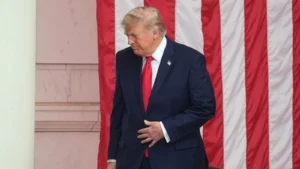
Despite intense deliberations among top national security officials, foreign policy advisors, and congressional leaders, the administration emerged from the briefing room without a final decision. This lack of immediate resolution has sent ripples through international diplomatic circles, leaving both allies and adversaries wondering whether the United States will completely dismantle one of the most controversial foreign policy agreements of the 21st century.
The White House Convening: Inside the Debate
The atmosphere inside the West Wing was reportedly tense as military leaders, diplomats, and intelligence officials presented the latest updates on Iran’s compliance and regional activities. The meeting was intended to establish a unified front, yet it highlighted the deep ideological divides that have plagued the administration’s approach to Tehran since day one. Trump Seeks Further Changes to US-Iran Deal
The Hawks vs. The Pragmatists
Within the administration, two distinct camps have formed regarding the Iran deal:
-
The Hardliners: This faction argues that the JCPOA was fundamentally flawed from its inception. They believe that the agreement provided Iran with massive economic relief while failing to permanently block its path to a nuclear weapon. They advocate for a complete withdrawal and the reimposition of crushing economic sanctions.
-
The Pragmatists: Conversely, several career diplomats and military advisors caution against a abrupt exit. They argue that a unilateral US withdrawal would alienate European allies—such as France, Germany, and the UK—and leave America isolated rather than Iran. They prefer a strategy of “fix it or nix it,” leaning heavily toward renegotiation.
What Trump Wants: The Critical “Edits”
President Trump’s dissatisfaction with the deal is not new, but the specific modifications being demanded have now come into sharper focus. The administration’s proposed changes center on three non-negotiable areas: Trump Seeks Further Changes to US-Iran Deal
-
Elimination of Sunset Clauses: Under the original JCPOA framework, certain restrictions on Iran’s nuclear program expire after 10 to 15 years. The White House wants these restrictions to be made permanent.
-
Ballistic Missile Restrictions: The current deal focuses almost exclusively on nuclear enrichment. The US is demanding that any future agreement strictly limit Iran’s development and testing of nuclear-capable ballistic missiles.
-
Unfettered Inspections: The administration wants international inspectors to have immediate, unhindered access to all military sites within Iran, removing the current bureaucratic delays required to visit suspected undeclared facilities.
Mapping the “Red Lines”: Tehran’s Hard Stance
While Washington debates its next move, the response from Tehran has been unequivocally hostile. Iranian officials have repeatedly stated that the JCPOA is a closed chapter and cannot be renegotiated under any circumstances.
+-----------------------------------+-----------------------------------+
|       US Demand (Red Line)        |      Iran's Position / Response   |
+-----------------------------------+-----------------------------------+
| Permanent ban on enrichment       | Absolute right to peaceful nuclear|
| (No sunset clauses)               | energy under the NPT.             |
+-----------------------------------+-----------------------------------+
| Inclusion of ballistic missiles   | Non-negotiable; missiles are for  |
| restrictions into the agreement.  | national defense, not diplomacy.  |
+-----------------------------------+-----------------------------------+
| Immediate access to military      | Sovereign overreach; spying       |
| installations for inspectors.     | disguised as international law.   |
+-----------------------------------+-----------------------------------+
The Geopolitical Standoff
Iran’s leadership knows it holds several geopolitical cards. If the US walks away, Iran can legally resume high-level uranium enrichment, potentially shortening its “breakout time” to a nuclear weapon to just a few months. Furthermore, Tehran has threatened to restrict maritime traffic through the Strait of Hormuz—a vital chokepoint for global oil supplies—should economic sanctions be fully reinstated.
The European Dilemma: Caught in the Crossfire
European signatories to the deal—specifically Britain, France, and Germany (the E3)—find themselves in an incredibly difficult position. They share Washington’s concerns regarding Iran’s regional behavior and missile program, but they fundamentally disagree with Trump’s confrontational methodology. Trump Seeks Further Changes to US-Iran Deal
Preserving the Rules-Based Order
For Europe, the JCPOA represents a triumph of multilateral diplomacy. European leaders argue that keeping Iran bound to a verified nuclear restriction framework is far better than having no agreement at all. They fear that if the US violates the deal, it will damage Western credibility and make future diplomatic resolutions with other nations (like North Korea) nearly impossible.
Economic Entanglements
Beyond diplomacy lies commercial reality. Following the signing of the 2015 deal, numerous European conglomerates—including aerospace giants and energy corporations—signed multi-billion-dollar contracts with Iran. A return to US secondary sanctions would force these companies to choose between doing business with Iran or maintaining access to the massive United States financial system. Unsurprisingly, most will choose the US market, effectively killing European-Iranian trade.
Domestics Politics: The Role of Congress
The ultimate fate of the US position may not rest solely with the Executive Branch. Congress plays a pivotal role in how sanctions are triggered, reviewed, and enforced. Trump Seeks Further Changes to US-Iran Deal
The Review Act Mechanism
Under domestic US law, the president must periodically certify to Congress that Iran is complying with the deal and that the suspension of sanctions remains vital to US national security interests.
“Decertification does not automatically kill the deal, but it shifts the burden of proof to Congress. It opens a 60-day window where lawmakers can reintroduce sanctions via an expedited, fast-track voting process.”
If Congress votes to reimpose sanctions during this window, the United States would effectively be in material breach of its international commitments, forcing the collapse of the accord without the President having to officially sign a withdrawal decree himself.
Economic Implications: Oil Markets and Global Trade
The uncertainty surrounding the White House meeting has already triggered volatility across global financial markets, most notably in the energy sector. Trump Seeks Further Changes to US-Iran Deal
Crude Oil Volatility
The threat of renewed sanctions on Iran—one of the world’s largest oil producers—has injected a significant risk premium into crude oil pricing. Analysts predict that a full breakdown of the deal could remove up to one million barrels of Iranian crude per day from the global market, driving energy prices higher and stoking inflationary pressures worldwide.
Global Supply Chain Shifts
Multinational corporations are already executing contingency plans. The mere threat of sanctions is acting as a deterrent; companies are freezing investments in the Iranian infrastructure, tech, and automotive sectors to avoid potential legal exposure from the US Treasury’s Office of Foreign Assets Control (OFAC). Trump Seeks Further Changes to US-Iran Deal
Potential Scenarios: Where Do We Go From Here?
Since no final decision was reached at the White House meeting, foreign policy experts see three potential paths forward for the administration: