
PM Modi’s Latest Appeal: The year 2026 has brought back a sense of déjà vu. In a move reminiscent of the 2020 pandemic era, Prime Minister Narendra Modi has recently urged the nation to pivot back to remote operations. However, this time, the enemy isn’t a virus; it’s a global economic ripple effect caused by the escalating West Asia Crisis.
After successfully advocating for Work From Home (WFH) in the corporate sector, the Prime Minister has now suggested that schools and educational institutions transition to online classes wherever feasible. If you are wondering why your daily routine is about to change again, here is a deep dive into the situation. PM Modi’s Latest Appeal
The Big Shift: Why Online Classes and WFH?
The core reason behind this appeal is Fuel Conservation and Economic Duty. The ongoing conflict in West Asia, which intensified following strikes on Iran in early 2026, has severely disrupted global oil supply chains.
Why Schools are Being Asked to Go Virtual
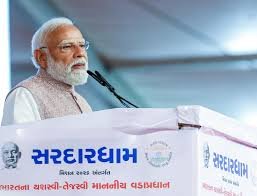
During his address in Vadodara, PM Modi highlighted that educational institutions could play a massive role in reducing national fuel consumption.
-
Reduced Transport Demand: Schools involve thousands of buses and private vehicles on the road daily. Shifting to a “COVID-style” online model helps save millions of liters of petrol and diesel.
-
Safety and Stability: With global uncertainty, maintaining a digital infrastructure ensures that education remains uninterrupted regardless of fluctuating energy costs or logistical hurdles.
PM Modi’s appeal for austerity and online classes
The Return of WFH for Offices
It’s not just students; the Prime Minister has encouraged both government and private offices to prioritize virtual meetings. Major tech players like Zoho have already begun revisiting their remote work policies following this national appeal. The goal is simple: Reduce the burden on India’s foreign exchequer by cutting down on imported fuel usage.
PM Modi’s Message on Online Education Preparedness
According to government sources, Prime Minister Narendra Modi emphasized the importance of digital readiness during a recent high-level discussion on emergency preparedness. PM Modi’s Latest Appeal
Officials reportedly discussed how India’s experience during the pandemic created a framework for remote work and online education that can now be used in times of global uncertainty as well.
The Prime Minister is believed to have advised states and education departments to:
- Keep online teaching systems operational
- Ensure schools are technologically prepared
- Improve internet-based learning infrastructure
- Train teachers for hybrid teaching models
- Avoid academic disruption in case of emergencies
The suggestion is currently seen more as a precautionary advisory rather than an immediate policy decision.
Schools May Adopt Hybrid Learning Model
Education experts believe that instead of fully shutting down schools, authorities may prefer a hybrid system if tensions rise further. Under such a model: PM Modi’s Latest Appeal
- Students may attend classes physically on selected days
- Online classes could continue simultaneously
- Exams and assignments may shift to digital platforms
- Emergency closures can be implemented quickly if required
Several private schools in metropolitan cities already maintain online classroom systems developed during the COVID period. Many institutions continue using apps for homework, attendance, and parent communication.
Students Wonder Whether Online Exams Could Return
One of the biggest concerns among students is whether online examinations might return if classes shift temporarily.
During the pandemic, many boards and universities experimented with: PM Modi’s Latest Appeal
- Open-book tests
- Remote assessments
- Online viva examinations
- Internal assessment systems
While no official announcement has been made regarding exams, education experts say schools are likely to prioritize flexibility if disruptions occur.
Opposition Leaders Demand Clarity
Some opposition leaders have questioned whether the government plans to issue formal guidelines regarding educational preparedness.
Critics argue that:
- Clear communication is necessary
- Parents should not panic
- States need proper coordination
- Rural schools require stronger digital support
They also emphasized that any future online learning system must address the digital divide between urban and rural students.
What Happens Next?
At present, schools across India continue functioning normally. No official closure orders or mandatory online class instructions have been issued. PM Modi’s Latest Appeal
However, education departments and school administrations are expected to review:
- Emergency response plans
- Online teaching capabilities
- Student communication systems
- Digital infrastructure readiness
The situation in West Asia will likely determine whether additional measures become necessary in the coming weeks.
India’s Education System Enters a New Era of Preparedness
The COVID-19 pandemic permanently changed how India views education continuity during emergencies. Online learning, once considered temporary, is now part of mainstream preparedness planning. PM Modi’s Latest Appeal
Prime Minister Narendra Modi’s suggestion reflects how governments worldwide are increasingly focusing on flexibility and digital resilience in uncertain times. PM Modi’s Latest Appeal