
CJP protest highlights A recent protest organised by members of the CJP has attracted nationwide attention after organisers expressed disappointment over discussions with senior political leaders. During the demonstrations, police detained several protesters as authorities worked to maintain law and order.
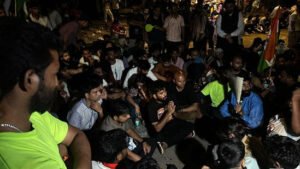
The protest has quickly become a significant political issue, prompting reactions from government representatives, opposition leaders, civil society groups, and political analysts. While organisers argue that their concerns were not adequately addressed, officials have maintained that public demonstrations must remain peaceful and comply with legal requirements.
Why the Protest Was Organised
According to organisers, the protest aimed to highlight issues they believe require greater attention from the government. Participants gathered to voice their concerns through peaceful demonstrations and public meetings.
The organisers stated that their objective was to encourage meaningful dialogue and seek policy responses to the issues affecting their supporters.
As the gathering grew larger, the protest attracted considerable media coverage and public discussion.
Organisers Express Disappointment After Meeting
Following discussions with senior political representatives, protest organisers said they were dissatisfied with the outcome.
According to their public statements, they felt that the meeting did not produce clear assurances or concrete commitments regarding the concerns raised during the protest.
Political observers note that such reactions often influence the direction of future negotiations between protest groups and government representatives.
Police Detain Demonstrators During Protest
As the protest continued, police detained several participants while monitoring the situation. Officials stated that security measures were taken to maintain public order and ensure that the demonstrations remained peaceful.
Authorities have not indicated that the detentions represent a final legal finding, and procedures will depend on applicable laws and local administrative decisions.
Political Reactions
The developments triggered responses from multiple political parties.
Some leaders emphasised the importance of protecting the democratic right to peaceful protest while also recognising the responsibility of authorities to maintain public safety.
Others argued that continued dialogue between protesters and the government is essential to resolving disagreements.
Importance of Peaceful Democratic Dialogue
Public demonstrations remain an important part of democratic societies. At the same time, governments, organisers, and law enforcement agencies all have responsibilities to ensure that protests remain peaceful and within the framework of the law.
Experts believe that constructive discussions often provide better long-term outcomes than prolonged political confrontation.
Reuters Connect: Peaceful protest coverage
What Could Happen Next?
Political analysts expect further discussions between stakeholders in the coming days.
Possible developments may include:
- Additional meetings between representatives.
- Official government statements.
- Further political reactions.
- Legal and administrative proceedings, where applicable.
- Continued public debate.
The situation remains dynamic, and future developments will depend on official decisions and ongoing dialogue.
Growing Political Debate After the Protest
The recent CJP protest has sparked a wider political discussion across the country, with leaders from different parties expressing varying opinions on the developments. While the organisers maintain that their protest was aimed at drawing attention to public concerns through democratic means, the events surrounding the demonstration have added a new dimension to the ongoing political debate.
Political observers believe that protests often become an important platform for citizens and organisations to communicate their concerns directly to policymakers. In a democratic system, peaceful demonstrations are considered a legitimate way of expressing public opinion, provided they remain within the framework of the law. The latest protest has once again highlighted the balance that authorities must maintain between protecting the right to protest and ensuring public order.
Following the demonstration, several political leaders urged both the government and protest organisers to continue discussions instead of allowing the situation to escalate further. Analysts suggest that constructive dialogue is often more effective in resolving differences than prolonged confrontation. They believe that open communication can help reduce misunderstandings and create opportunities for practical solutions.
The police action during the protest also attracted attention. Officials stated that necessary steps were taken to maintain law and order and prevent any disruption to public life. At the same time, legal experts noted that administrative decisions taken during public demonstrations are generally subject to established legal procedures and oversight. As a result, the developments are likely to remain under public and political scrutiny in the coming days.
Citizens have also shared mixed reactions on social media and public platforms. Some people expressed support for the protesters’ right to raise important issues, while others emphasised the need for demonstrations to remain peaceful and not interfere with normal public activities. Such diverse opinions reflect the broader democratic nature of public discourse in India.
Political commentators point out that protests rarely end with a single event. Instead, they often lead to further meetings, official statements, parliamentary discussions, and policy debates. Whether this particular protest results in future negotiations or legislative action will depend on the responses of all stakeholders involved.
Looking ahead, experts believe that continued dialogue between government representatives, protest organisers, and civil society groups could help create a more constructive environment for addressing concerns. Transparent communication, respect for democratic institutions, and peaceful engagement remain essential for resolving differences in any democratic society.
As the situation develops, citizens are expected to closely follow official announcements and verified information from reliable sources. Regardless of differing political viewpoints, the events have once again demonstrated how public participation, political accountability, and democratic processes continue to shape national conversations. The coming days may provide greater clarity on whether the issues raised during the protest lead to further discussions, administrative decisions, or broader political initiatives.
Frequently Asked Questions (FAQs)
Why was the CJP protest organised?
Organisers say the demonstration was intended to draw attention to issues they believe require government action.
Why were protesters detained?
Authorities stated that police action was taken as part of maintaining public order during the protest. The legal status of those detained depends on subsequent procedures.
Did the meeting resolve the dispute?
According to statements from protest organisers, they were not satisfied with the outcome of the discussions.
What happens next?
Further discussions, official responses, and political developments are expected as the situation evolves.
Conclusion
The recent CJP protest has once again highlighted the importance of dialogue, democratic participation, and peaceful public demonstrations. While organisers have expressed disappointment with recent discussions, government authorities continue to emphasise law and order during public gatherings.