
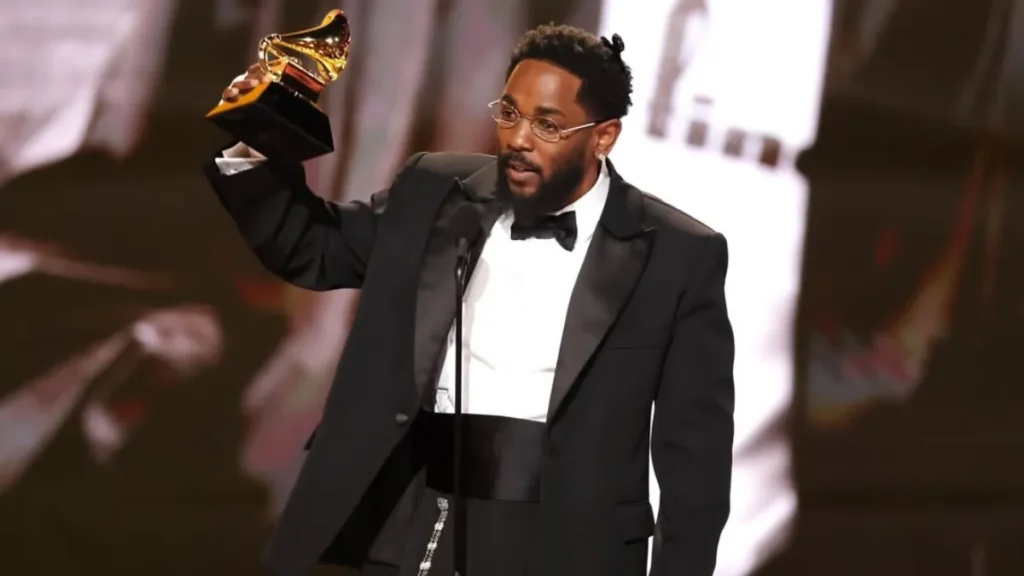
The 68th Annual Grammy Awards lit up Los Angeles on February 1, 2026, celebrating the most influential and creative voices in music over the past year. Hosted once again by comedian Trevor Noah at the Crypto.com Arena, the show offered unforgettable performances, historic wins, and the reaffirmation that music — in all its forms — continues to be a powerful voice for culture, identity, and connection. Grammy Awards 2026
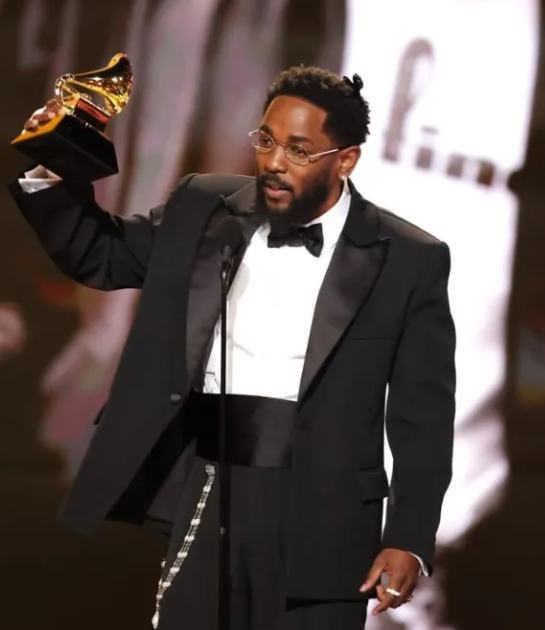
This year’s Grammys were especially notable for the diversity of winners and genres recognized — from hip-hop and global music to rock, jazz, and even audiobook recordings. But standing out among the night’s landmarks was Kendrick Lamar, who led all winners with three major trophies, reaffirming his place as one of the most significant artists of his generation. Grammy Awards 2026
Cultural Significance: What the 2026 Grammys Represent
1. A Global Stage
Bad Bunny’s Album of the Year win underscores one of the Grammys’ biggest cultural shifts — the embrace of music that crosses linguistic and cultural borders. A Spanish-language album receiving one of the night’s top honors reflects global audiences’ evolving tastes and the Recording Academy’s expanding worldview. Grammy Awards 2026
📌 2. Hip-Hop’s Continued Evolution
Kendrick Lamar’s wins were more than awards; they signified hip-hop’s deepening canonization in music history. With GNX and multiple performance and songwriting accolades, Lamar showcased that rap remains at the forefront of contemporary storytelling and innovation. Grammy Awards 2026
3. New Voices, Fresh Directions
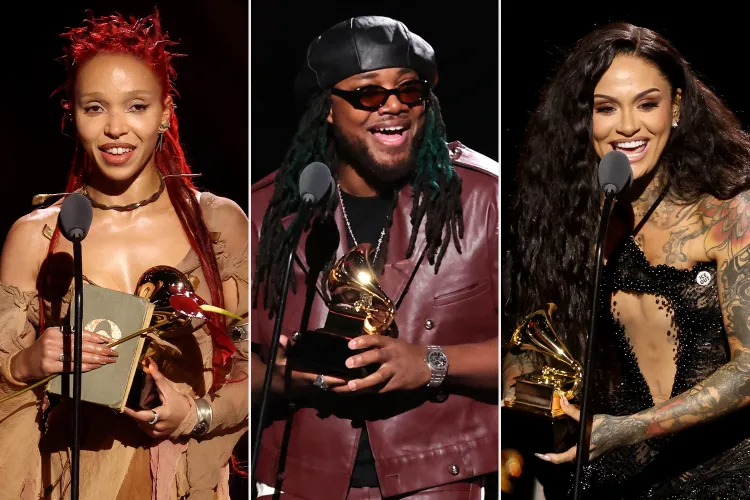
Olivia Dean’s Best New Artist win — alongside recognition for creators like Leon Thomas and Tyla — signals a new generation stepping confidently into the spotlight. The Grammys, often critiqued for favoring legacy acts, this year balanced tradition with tomorrow’s voices.
2026 Grammy Awards — Major Winners Highlights
Here’s the official list of winners from the 68th Annual Grammy Awards (2026) — covering the major categories and standout winners across genres. The ceremony took place on February 1, 2026, at the Crypto.com Arena in Los Angeles and celebrated the best music released during the eligibility period.
Bad Bunny – DeBÍ TiRAR MáS FOToS
Billie Eilish — “WILDFLOWER”
Lady Gaga — “Abracadabra”
Olivia Dean
Bad Bunny’s “ICE Out” Grammy Speech: A Defining Moment in Music, Politics & Humanity
On February 1, 2026, Puerto Rican music superstar Bad Bunny delivered one of the most memorable speeches in Grammy history—not just for its emotional intensity, but for its outspoken political and human rights message. When he accepted the Grammy Award for Best Música Urbana Album for DeBÍ TiRAR MáS FOToS, he began not with thanks, but with a bold declaration: Grammy Awards 2026
“Before I say thanks to God, I’m going to say ICE out. We’re not savage, we’re not animals, we’re not aliens. We are humans and we are Americans.
The Moment — What Bad Bunny Said
At the 68th Annual Grammy Awards in Los Angeles, Bad Bunny took the stage to accept one of music’s highest honors. But before thanking anyone, he paused—and chose his first words carefully:
“ICE out.”
In that brief statement, he encapsulated years of frustration, fear, and activism. But he didn’t stop there. In a speech that mixed raw emotion with political conviction, he continued: Grammy Awards 2026
“We’re not savage. We’re not animals. We’re not aliens. We are humans and we are Americans.”
He then reflected on a deeper truth about human conflict:
“I know it’s tough not to hate these days. Sometimes we get contaminados… The hate gets more powerful with more hate. The only thing that is more powerful than hate is love.”
Closing the speech with a call for unity and compassion, he reminded the world that love and humanity are stronger than fear and dehumanization. Grammy Awards 2026
🎸 Who Is Bad Bunny—and Why His Voice Matters
To fully understand the significance of his speech, we have to recognize who Bad Bunny is.
Born Benito Antonio Martínez Ocasio in Puerto Rico, Bad Bunny rose from local rapper to global icon, breaking records and barriers as one of the most streamed artists of his generation. His music blends reggaeton, Latin trap, pop, and socially conscious lyrics—a reflection of his roots and identity. Grammy Awards 2026
But unlike many mainstream artists, his voice has never been limited to entertainment. Through his career, he’s spoken on issues of gender, racism, social injustice—and now immigration policy. His platform, matching his popularity, means his words reach millions of listeners around the world. Grammy Awards 2026
When he stands up and uses his Grammy spotlight for something bigger than himself, it matters. And it reverberates deeply because it comes from someone many feel speaks for the people, not just his personal brand.
🗳️ Context: Why “ICE Out” Matters in Today’s Politics
Bad Bunny’s reference to ICE was no random choice. It points directly to U.S. Immigration and Customs Enforcement—the federal agency responsible for deportations, raids, and immigration enforcement in the United States.
In recent years, ICE has become a lightning rod in American politics, especially under intensified enforcement policies that critics argue violate human rights and target vulnerable communities. This ongoing debate isn’t abstract—it affects real families, lives, and futures. And in early 2026, that pain was especially acute, with widespread protests over ICE’s actions across the country.
To speak out against it from one of the world’s biggest awards stages was more than a celebrity political statement—it was an act of personal solidarity with millions of people who feel marginalized, dehumanized, or threatened by immigration enforcement practices. Grammy Awards 2026
❤️ Love Over Hate: The Heart of the Message
One of the most striking parts of Bad Bunny’s speech wasn’t just that he called out ICE—it was how he framed the call to action.
He didn’t respond with anger. He didn’t incite division. Instead, he said:“If we fight, we have to do it with love.” Grammy Awards 2026
This wasn’t a rejection of conflict—he acknowledged the pain, frustration, and fear many feel. But he rejected hate as the answer. In a world where political rhetoric often amplifies anger and division, that message stood out.
By positioning love and empathy as tools of resistance, Bad Bunny elevated the conversation from shouting matches to shared humanity. Grammy Awards 2026
The Biggest Winners of the Night
Kendrick Lamar — A Dominant Night
Kendrick Lamar emerged as the most awarded artist of the evening with three Grammy wins, underscoring both his artistic prowess and his sustained relevance in contemporary music. His accolades included: Grammy Awards 2026
Best Rap Album — GNX
Best Rap Performance (as part of Clipse’s “Chains & Whips” featuring Kendrick Lamar & Pharrell Williams)
Best Melodic Rap Performance — “luther” with SZA
Best Rap Song — “TV Off” with Lefty Gunplay
This haul not only confirms Lamar’s mastery of hip-hop but also places him among the most honored artists in Grammy history. Grammy Awards 2026
Breakout & Established Stars
Bad Bunny continued his historic year with major wins:
Album of the Year — DeBÍ TiRAR MáS FOToS
Best Global Music Performance — “EoO”
Record of the Year — “DtMF
Best Dance-Pop Recording — “Abracadabra”
Best Pop Vocal Album — MAYHEM
Song of the Year (as nominated; reporting suggests strong presence across top categories) Grammy Awards 2026
Who Is Bad Bunny—and Why His Voice Matters
To fully understand the significance of his speech, we have to recognize who Bad Bunny is. Grammy Awards 2026
Born Benito Antonio Martínez Ocasio in Puerto Rico, Bad Bunny rose from local rapper to global icon, breaking records and barriers as one of the most streamed artists of his generation. His music blends reggaeton, Latin trap, pop, and socially conscious lyrics—a reflection of his roots and identity. Grammy Awards 2026
But unlike many mainstream artists, his voice has never been limited to entertainment. Through his career, he’s spoken on issues of gender, racism, social injustice—and now immigration policy. His platform, matching his popularity, means his words reach millions of listeners around the world. Grammy Awards 2026
When he stands up and uses his Grammy spotlight for something bigger than himself, it matters. And it reverberates deeply because it comes from someone many feel speaks for the people, not just his personal brand. Grammy Awards 2026
Context: Why “ICE Out” Matters in Today’s Politics
Bad Bunny’s reference to ICE was no random choice. It points directly to U.S. Immigration and Customs Enforcement—the federal agency responsible for deportations, raids, and immigration enforcement in the United States.
In recent years, ICE has become a lightning rod in American politics, especially under intensified enforcement policies that critics argue violate human rights and target vulnerable communities. This ongoing debate isn’t abstract—it affects real families, lives, and futures. And in early 2026, that pain was especially acute, with widespread protests over ICE’s actions across the country.
To speak out against it from one of the world’s biggest awards stages was more than a celebrity political statement—it was an act of personal solidarity with millions of people who feel marginalized, dehumanized, or threatened by immigration enforcement practices. Grammy Awards 2026
Why This Moment Transcends Music
This isn’t just a story about a musician giving a speech. It’s about: Grammy Awards 2026
• Culture shaping politics
Artists are often storytellers of their era. When history is written, movements are defined not just by marches and laws, but by the voices that inspire people to think and feel differently.
• A global audience hearing a human story
Bad Bunny’s speech was broadcast worldwide, translated into countless languages, and shared across social platforms—making something deeply personal resonate universally. Grammy Awards 2026
• The power of empathy
In an increasingly polarized world, calling for love over hate is not naive—it’s strategic and transformative. It invites people to engage with difficult issues not as adversaries, but as fellow humans.
📌 Final Reflections: What This Teaches Us
Bad Bunny’s “ICE out” moment wasn’t just a viral speech—it was a snapshot of a cultural shift. It showed how:
✔️ Artists are agents of social change
✔️ Entertainment platforms can amplify human rights messages
✔️ Identity and belonging are deeply political, yet deeply human
✔️ Love and compassion remain powerful tools against injustice